Tree Removal Services for Your Brunswick Home
Request your written estimate
Taking down a tree for the first time can feel like a big step. You may wonder who to call, what the job involves, and what a fair price looks like. This page answers those questions in plain words, so you can decide with a clear head.
Timingdrawn Tree Service is a referral service. We do not cut trees or run crews. We connect homeowners in Brunswick, OH with independent providers in our network. You request an estimate, a local provider reviews the job, and you get a written quote before anything starts. Your house comes first, and you stay in charge of every choice.
Say You Notice a Tree That Worries You
Say you step outside with your coffee and see a big limb hanging low over the roof. It was fine last week. Now it sags, and the bark looks split. What do you do?
This page is for that moment. If you have never hired anyone to take down a tree, the process can feel confusing. It does not have to be. Tree removal means a trained crew cuts a tree down, usually in sections, and clears away what is left. Independent providers in our network do that work. Timingdrawn Tree Service helps you reach them.
Signs a Tree Should Come Down Soon
Some signs mean a tree is a risk to your house. These come first because they are the most urgent.
A Leaning Tree or Lifted Soil
Say a tree has always leaned a little. After a hard thunderstorm, the soil at its base looks cracked and pushed up. That can mean the roots are letting go. Spring flooding and deep winter frost can loosen roots too.
Cracks, Dead Limbs and Fungus
Big cracks in the trunk, dead branches, and mushrooms at the base can point to rot inside. A tree can look green on top and still be hollow below.
Branches Near the Roof or Lines
Limbs over a roof can scrape shingles or drop in wind. Limbs near power lines are a different matter. Stay back and contact the utility company first.
If a Tree Has Already Fallen
Picture your yard after a night of hail and high wind. A trunk lies across the driveway, or leans against the porch. Keep everyone away from it. Look for downed lines, and treat any wire on the ground as live. Then take photos for your records.
Storm tree clearance means getting a fallen tree off your property safely. A trunk under tension can snap back when cut, so this is not a job for a chainsaw and a spare afternoon. Some providers handle emergency tree removal, and many can respond quickly after storms. Busy weeks can still mean a wait. Request a callback to check provider availability.
Why Homeowners Choose Removal
Most people do not remove a tree just because they want to. The usual reasons are safety, disease, storm damage, roots near the foundation or sewer line, and a tree that blocks a planned addition. Sometimes the tree is simply too big for the lot.
A healthy tree can often stay. A good provider will tell you if trimming is enough. Ask about that during the estimate.
How a Removal Job Works
Some people search for a tree falling service. That just means a provider who fells, or cuts down, trees. Here is how the job usually goes.
The Walk-Through
The provider looks at the tree, the yard, and what sits below it. They check for roofs, fences, lines, and soft ground. Then they write a quote.
Cutting and Lowering
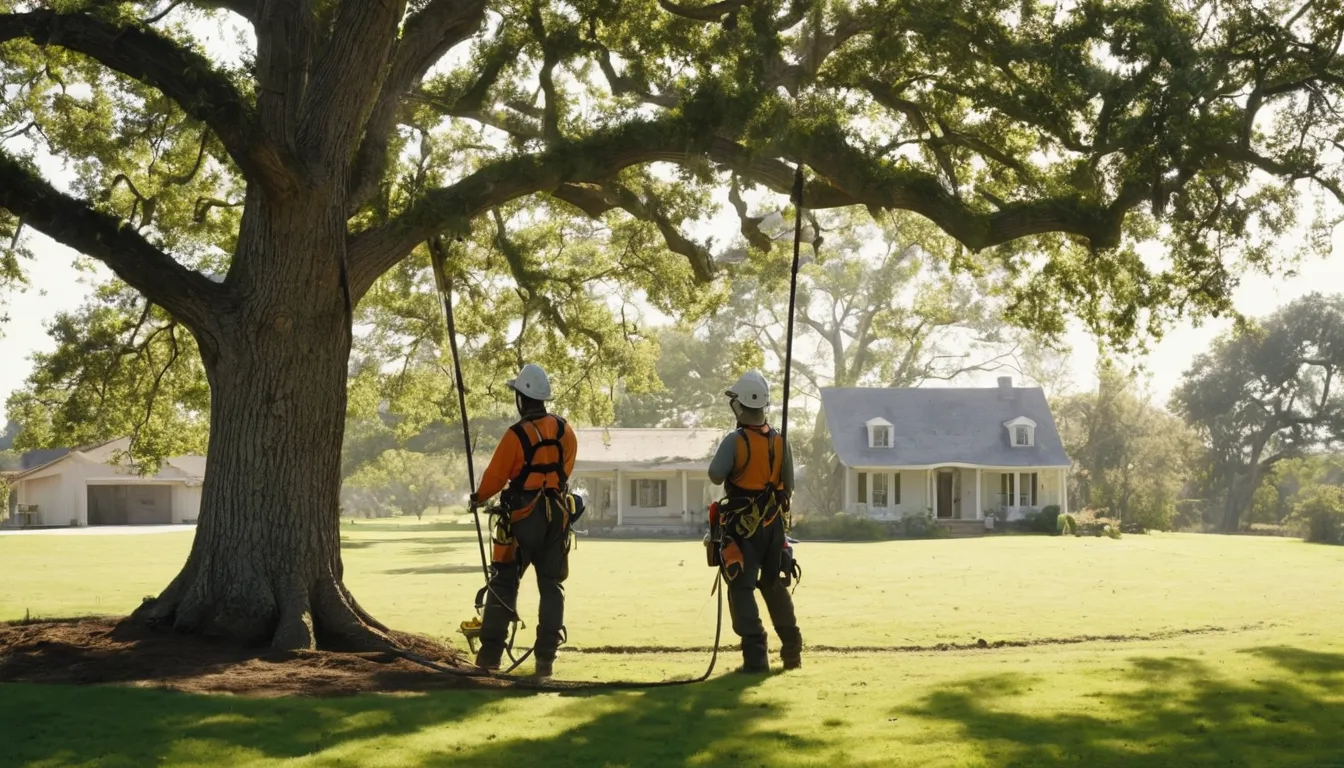
Near a house, the crew often climbs and removes the tree in pieces, lowering each one on ropes. In open space, they may drop it in one controlled fall. Larger jobs sometimes need a crane.
Cleanup
The crew cuts the trunk into pieces, chips the branches, and hauls away debris if the quote says so. Ask what is included before you agree.
What Changes the Price
Say two neighbors each have a tree removed in the same month. One pays far more. Why? Height, trunk width, and tree health matter. So does access. A tree beside a house, over a pool, or behind a locked gate takes more care and time.
Other things add cost, such as crane work, hauling, wood chipping, and stump grinding. Prices vary by job, so ask for the quote written, with each item listed.
Permits and Local Rules
Some towns protect large or older trees. Others require a permit before you cut, even on your own lot. Trees near a street, a utility line, or a shared fence can have extra rules.
Check with your city or town office before work starts. Many providers know the local rules and can tell you what to ask.
Picking a Provider You Can Trust
You are letting someone work above your roof, so take a few minutes to check them. Ask for proof of liability insurance and workers' compensation. Ask how they protect lawns, roofs, and pipes. Make sure the quote names the job, the price, and the cleanup.
Be careful with anyone who asks for full payment up front or knocks on your door after a storm. Ask for it written, and compare more than one estimate when you can.
Getting Ready for Removal Day
A little prep keeps the day smooth.
- Move cars out of the driveway and off the street nearby.
- Clear patio furniture, toys, and planters from the work area.
- Mark sprinkler heads and any buried lines you know about.
- Tell neighbors, especially if the tree is near a shared fence.
- Keep kids and pets indoors while the crew works.
After the Tree Comes Down
Walk the yard with the provider before they leave. Check the roof, the fence, and the lawn. Confirm that the wood and debris are gone, or stacked where you agreed.
A stump will remain unless the quote includes removing it. You can plan for that later. Fill any holes, and watch for soft spots after heavy rain.
Protecting Your Home's Value
A tree done right protects your house. A bad cut can crack a roof, bend gutters, or damage a sewer line. That kind of repair costs far more than careful work up front.
Keep your written quote, photos, and receipt. They are handy if you sell the home later or need to document damage for an insurance claim. Some policies may cover sudden damage, so check your policy.
What's Included
Safe Tree Felling
Providers cut a tree down in sections or in one controlled fall, based on what sits around it.
Debris Cleanup
Branches get chipped and logs cut up. Ask if hauling is in your written quote.
Storm Tree Clearance
Fallen or split trees after hail and wind can be cut up and cleared from your property.
On-Site Walk-Through
A provider reviews the tree, the yard, and your roof before giving you a clear written price.
What Tree Removal Typically Costs
These are typical U.S. ranges, and real prices vary by tree, access, and local rates. Use them as a rough guide, then ask each provider for a written quote that lists every item.
| Item | Typical range | Notes |
|---|---|---|
| Small tree, under 30 ft | $150 – $500 | Easy access keeps the price on the low end |
| Medium tree, 30–60 ft | $400 – $1,200 | Trunk width and nearby roofs add time |
| Large tree, over 60 ft | $1,000 – $2,500 | Tall trees often need climbing gear or a crane |
| Crane or tight access | $1,500 – $5,000 | Used when a tree is too close to a house |
| Storm-damaged or fallen tree | $500 – $3,000 | Higher when it rests on a roof or fence |
| Hauling and wood chipping | $75 – $400 | Sometimes listed as a separate line |
How It Works
Request an Estimate
Tell us about the tree, where it stands, and what is nearby. It takes a few minutes.
A Provider Reviews the Job
A local provider in our network gets in touch to look at the tree and the site.
Compare the Written Quote
Check the price, the cleanup, and the permit details. Ask any questions before you decide.
Schedule the Work
If you accept, you and the provider agree on a day. You stay in charge.
Why Call Timingdrawn Tree Service
Referral Only
Timingdrawn Tree Service connects you with independent providers. We do not do the cutting ourselves.
Written Quotes
You review a clear written price before work starts, with no pressure to say yes.
Local Providers
Providers in our network know the Brunswick area weather, soil, and the older homes found there.
House First
Your roof, pipes, and lawn matter most, so you can ask how each will be protected.
Other Services
Need tree removal services in Brunswick?
Have a tree that worries you? Send a request through the form or email contact@timingdrawn.living. A provider in our network can follow up about an estimate.
No obligationTree Removal Services FAQ
How do I know if a tree needs to be removed?
Look for a lean that is new, large trunk cracks, many dead limbs, mushrooms at the base, or lifted soil. Any of these can mean weak roots or rot. A local provider can inspect the tree and tell you.
Do I need a permit to remove a tree?
It depends on where you live. Some towns require a permit for large or protected trees, even on private land. Check with your city or town office before work starts.
How much does it cost to remove a tree?
Typical U.S. prices run from about $150 for a small tree to $2,500 or more for a large one. Access, height, and cleanup change the total. Always ask for a written quote that lists each item.
Tell us what happened
Have a tree that worries you? Send a request through the form or email contact@timingdrawn.living. A provider in our network can follow up about an estimate.
No obligation